January 27, 2026
What is a Limited Company?
Why your business is a separate person (yes, really)
You've probably heard the term "limited company" before. Maybe you've even set one up. But do you really understand what it means?
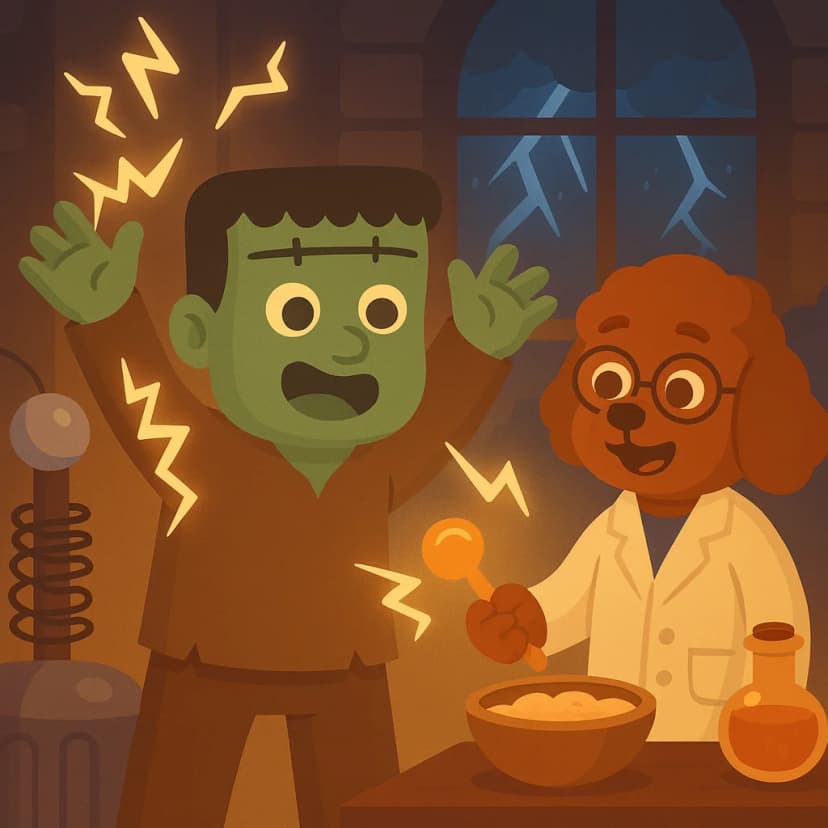
Here's the wild thing: when you register a limited company, you're not just filling out paperwork. You're creating a Frankenstein's monster. Stay with me.
In Harry's Accounting, our hero Harry - a toy poodle with a passion for baking - decides to quit his day job and open a bakery. He files some forms, registers a business name, and just like that...
Harry's Bakery is born!
It's Alive!
Here's where it gets weird. Legally, this Franken-business is now considered a legal person. Not a metaphorical person. An actual person under law.
This concept was introduced in the UK in 1855, and it changed everything about how we do business.
As a legal person, Harry's Bakery can:
- Own property
- Owe debts
- Sign contracts
All on its own, completely separate from Harry.
The Creator and The Creation
This is what trips people up.
Even though Harry is the only shareholder and the only director, the company is still a separate legal entity from him.
Harry the poodle is one thing.
Harry's Bakery the company is another.
They're as different as Dr. Frankenstein and his monster. The creator and the creation are not the same.
Harry's Broke Bakery
So the business is born. But here's the thing - it comes into the world with nothing.
Harry might have money in his savings account and baking equipment at home. But Harry's Bakery? It has $0. No Cash, no Equipment, no Ingredients.
Until Harry puts money into the business, it's basically Harry's Broke Bakery.
This separation might seem like a technicality, but it's actually the whole point.
Why This Matters: Limited Liability
The magic word is limited liability.
If Harry's Bakery goes into debt and can't pay, Harry personally isn't responsible for those debts. The company owes the money, not Harry. His personal savings, his house, his belongings - all protected.
Before 1855, this wasn't the case. Investors risked everything - their homes, their savings, their entire wealth - when investing in a business. This unlimited liability made people terrified to invest or start businesses.
The Limited Liability Act changed the game. Creditors adjusted to this new reality. They became more expert at assessing credit risk. Legislators helped by requiring companies to publish key financial information (this is why accounting matters!).
The result? An explosion of entrepreneurship and investment that built the modern economy.
The Golden Rule of Accounting
Once you understand that a Business is its own person, accounting suddenly makes sense.
Here's the rule: All accounting is from the Business's perspective.
When we say "received $10" - the Business received it, not the owner.
When we say "paid $20" - the Business paid it.
Every transaction, every record, every financial statement - it's all telling the story of what happened to this separate legal person.
The Business is its own creature. And once you understand that, you're ready to learn how to track what it owns, what it owes, and whether it's thriving or struggling.
That's what accounting is all about.